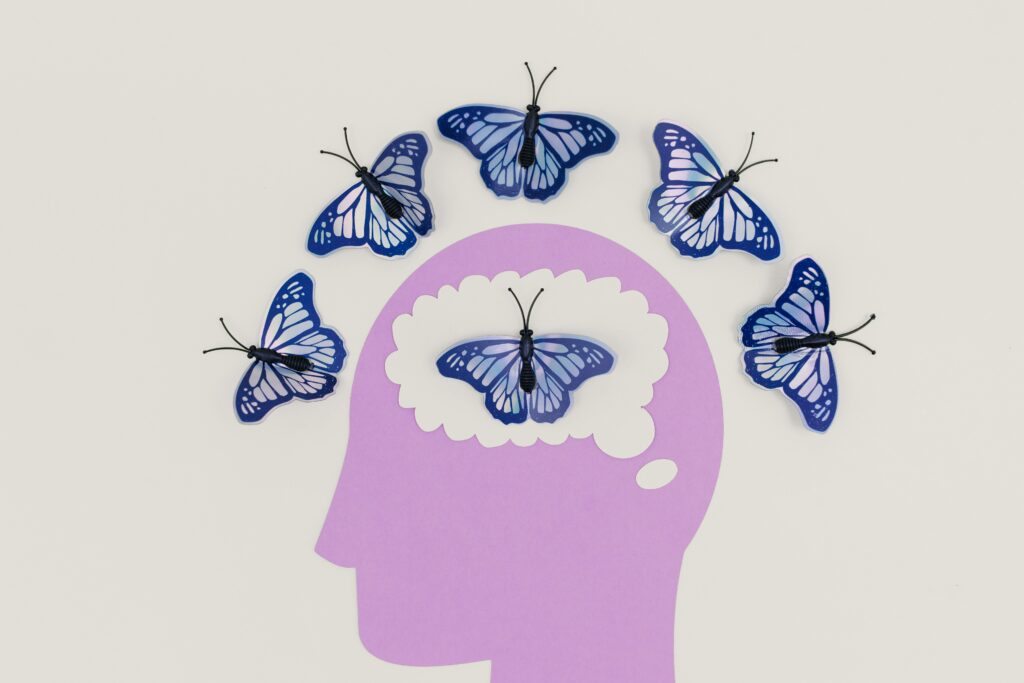
Hey! Welcome to my page. This is my first weekly blog reflection, and today, we will be focusing on the evolution of academia and how it continues to progress. Education is not and never will be, a constant. Any form of knowledge we retain comes from somewhere. Whether it was something we happened to over hear, some life-changing experience, or something we learned in class, the knowledge we gained helped shape ourselves and our beliefs. We can’t always pick and choose what information we are consuming, and the more knowledge we retain, the easier it becomes to weed through what aligns with our beliefs and what does not. That said, it is important that the knowledge we retain keeps us in the societal loop. Education revolves around a pendulum that swings back and forth between two ideologies. One is a curriculum based on historical knowledge – such as The Committee of 10’s principles, and the other being one that tackles reimagining the story of education.
In recent times, the importance of re-imagining education has started be taken much more seriously. Classrooms are slowly starting to become less structured, and things such as individual learning plans are being built. I strongly believe in the idea that there is a range of different ways for students to learn and that traditional ways of teaching are outdated. Not every student can sit down and take an assessment in a quiet room, where the pressure is on, and complete it with confidence. Testing environments can create major anxiety for students, which can affect their performance immensely. Classrooms that are based around structured lectures where students are being dumped with information to memorize can also create a negative learning environment for some. Re-imagining education can help create plans for students who struggle in these types of domains.
If we take the process of re-imagining education seriously, what does that mean for the future of academia? The answer to that question is simple – more success. If we as educators can adapt to the needs of individual students, we can help them be more successful in a wide variety of matters. Success in education can help take care of students’ mental health, keeping them motivated to continue learning. Success in education will also help students understand themselves better as not only learners but also as people. This should be considered as exciting, as we are in a time in education where access to freedom and adaption is available!
While the re-imagination of education may seem like a positive thing to people such as myself, for some, it seems unnecessary. The ideas behind what should be taught to students in school have followed the same tradition for centuries. Students have been expected to learn subjects such as mathematics, science, English and writing, and history in school. Having knowledge in these subjects is often held at a higher value in comparison to excelling in the arts or physical activities. But why is that? These are the types of beliefs that are outdated but are also the beliefs that create obstacles in rebuilding and reimagining the education system.